Download our Apps and get extra 15% Discount on your first Order…!


© 2024 All rights reserved Ayurillam.
Download our Apps and get extra 15% Discount on your first Order…!

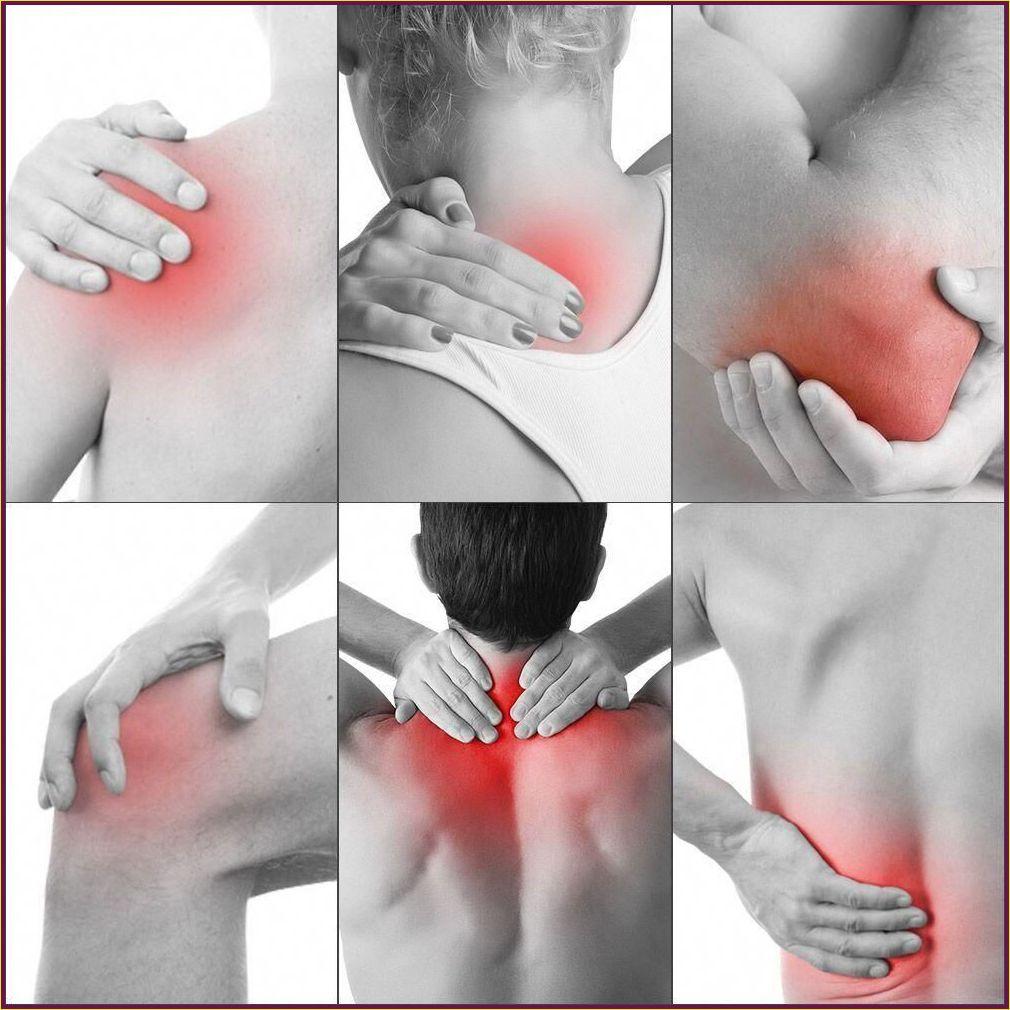
Non-Surgical Therapies Like Kizhi, Vasti & Herbal Treatments for Long-Term Relief
Joint pain and arthritis are no longer conditions affecting only the elderly. In 2026, sedentary lifestyles, obesity, long working hours, poor posture, and inflammatory diets are contributing to joint stiffness and chronic pain even in younger individuals. While many patients depend on painkillers or consider surgery in severe cases, traditional healing systems like Ayurveda offer non-surgical, long-term management options.
According to Ayurveda, most joint disorders are associated with aggravated Vata dosha, which governs movement in the body. When Vata increases due to aging, dryness, stress, or improper diet, it leads to stiffness, cracking joints, inflammation, and pain. In some cases, toxin accumulation (Ama) combines with Vata, worsening arthritis symptoms. Therefore, treatment focuses on reducing inflammation, removing toxins, and lubricating the joints naturally.
Understanding Arthritis Through Ayurveda
Ayurveda categorizes arthritis broadly into:
• Vata-related joint degeneration (similar to osteoarthritis)
• Inflammatory conditions linked to toxin buildup (similar to rheumatoid arthritis)
• Joint pain associated with obesity and metabolic imbalance
Rather than suppressing pain alone, Ayurvedic management aims to strengthen joints and restore mobility over time.
Key Non-Surgical Therapies
1. Kizhi (Herbal Poultice Therapy)
Kizhi involves applying warm herbal bundles to affected joints. The heat combined with medicinal herbs reduces stiffness, improves circulation, and relieves pain. It is particularly beneficial for chronic joint inflammation and muscle tightness.
2. Vasti (Medicated Oil or Decoction Therapy)
Vasti is considered one of the most effective therapies for Vata disorders. Medicated oils or herbal decoctions are administered in a controlled manner to nourish tissues, reduce dryness, and support joint lubrication. It provides deep internal correction rather than temporary relief.
3. Herbal Oil Massage (Abhyanga)
Warm medicated oils are applied to affected areas to reduce inflammation and improve flexibility. Regular oil therapy prevents further degeneration and enhances mobility.
Herbal Support for Joint Health
Customized herbal formulations are prescribed to reduce inflammation and strengthen connective tissues. Commonly used herbs include:
• Shallaki (Boswellia) for anti-inflammatory action
• Guggulu for joint detoxification
• Ashwagandha for tissue strength
• Turmeric for reducing swelling
• Rasna for pain management
These herbs work gradually and safely, supporting long-term joint health without the side effects associated with prolonged painkiller use.
Benefits of Ayurvedic Joint Care
• Natural pain relief
• Improved joint flexibility
• Reduced inflammation
• Strengthened cartilage and tissues
• Slower disease progression
• Avoidance or delay of surgery
Ayurvedic therapy is often combined with dietary correction, weight management, gentle yoga, and posture improvement to ensure sustainable results.
A Holistic Path to Pain-Free Living
Joint health is closely linked to digestion, metabolism, and lifestyle. By correcting internal imbalances and nourishing the body, Ayurveda provides a comprehensive approach to arthritis management. Instead of focusing only on pain suppression, it promotes long-term structural and functional improvement.
The latest information about shipping services and our promotions